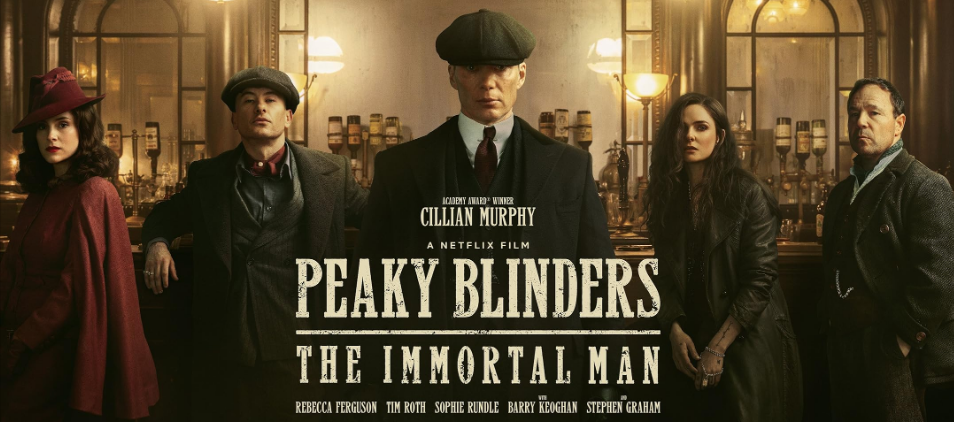
A question echoes through Peaky Blinders: The Immortal Man on Onionplay—who is Tommy Shelby now? It sounds simple, but the film treats it as something far more complex. After everything he has done, everything he has lost, the real tension comes from whether a man like him can ever move forward.
This film does not try to restart peaky blinders. Instead, it returns to a story that never really ended. It feels like opening a door that was left slightly ajar, only to find that nothing inside has truly changed. The tone is heavier, quieter, and more reflective, but the darkness remains the same.
A Story Rooted in the Past
The film begins years after the series finale, yet it quickly removes any sense of peace that ending suggested. Tommy lives in isolation, surrounded by memory rather than people. He writes, he reflects, but he does not heal.
This opening works because it avoids unnecessary drama. There is no rush to action. Instead, the film builds a slow atmosphere, showing a man who has already fought too much. However, this stillness does not last long.
When he is pulled back toward Birmingham, it feels inevitable. The world he left behind has not disappeared. It has simply changed hands, and not always for the better.
Duke and the Next Generation
Duke becomes one of the most important parts of the story. As Tommy’s son, he represents both continuation and conflict. He leads with ambition, but also with impatience.
Unlike Tommy, Duke lacks control. His decisions feel reactive, driven by a need to prove himself. This creates tension not just in the gang, but within the family itself.
The film uses this dynamic to explore legacy. It raises a clear question—can someone escape the weight of what came before them? Or are they always bound to repeat it? Through Duke, peaky blinders shows how history does not fade easily.
Tommy Shelby: A Man Slowing Down
Tommy remains the emotional center of the film. However, this version of him feels different. He is older, quieter, and visibly tired.
There is a noticeable shift in how he carries himself. His confidence is still there, but it is layered with exhaustion. The film focuses less on his power and more on his internal struggle.
What makes this portrayal effective is its restraint. He does not explain himself often. Instead, small gestures carry meaning. A pause, a look, a moment of silence—these details reveal more than long speeches ever could.
The film does not try to redeem him completely. It allows him to exist as both a creator and a destroyer, which keeps the character grounded.
Shift Toward Action and Simpler Conflict
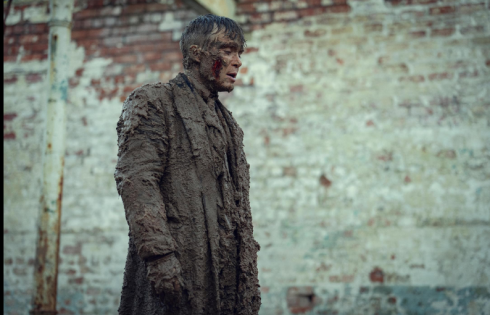
As the narrative progresses, the film leans more into action. The stakes grow larger, and the conflict becomes more direct. This change makes the second half faster and more intense.
In some ways, this works well. The tension builds effectively, and certain sequences feel gripping. However, it also simplifies the moral complexity that defined earlier seasons of peaky blinders.
The series often thrived on difficult choices and blurred lines. Here, the conflict becomes clearer, making the story easier to follow but slightly less layered. It trades depth for momentum, which may divide viewers.
Strong Visuals and Memorable Moments
Despite its uneven pacing, the film delivers several standout scenes. A confrontation set in heavy rain captures raw emotion without relying on dialogue. Another moment, quiet and confined, carries unexpected weight.
These scenes highlight what the film does best—creating atmosphere. The cinematography remains sharp, using shadows and framing to build tension. Every setting feels deliberate, adding to the overall mood.
Music continues to play a key role. The soundtrack blends modern and classic elements, maintaining the identity that peaky blinders is known for. It enhances the scenes without overwhelming them.
Themes of Memory and Consequence
At its core, the film focuses on memory. Tommy is constantly surrounded by reminders of his past—people, places, and decisions he cannot escape.
This creates a sense of heaviness that runs throughout the film. It suggests that no matter how far someone goes, their past remains a part of them.
The idea of consequence is also central. Every action has led to this point, and the film does not ignore that. Instead, it forces its characters to face it, even when the answers are uncomfortable.
Does the Film Deliver Closure?
One of the biggest expectations from this film is a proper ending. After years of storytelling, audiences want something that feels complete.
The film does offer closure, but it is not straightforward. It avoids clear resolutions and instead leans into ambiguity. Some questions remain open, and not every arc is fully resolved.
This approach fits the tone of peaky blinders, but it may not satisfy everyone. Those expecting a definitive conclusion may find it lacking, while others may appreciate its honesty.
Final Verdict
Peaky Blinders: The Immortal Man on flixtor tor works best when it focuses on character rather than plot. It captures the emotional weight of Tommy Shelby’s journey, even if the story itself feels familiar at times.
The film struggles with balance. It wants to be both reflective and intense, but it does not always manage to blend those elements smoothly. Still, it remains engaging because of its performances and atmosphere.
In the end, this is not a film about victory or defeat. It is about living with choices and understanding their cost. That idea stays true to peaky blinders and gives the film a sense of purpose.
For fans, it serves as a meaningful continuation. Not perfect, but strong enough to leave an impression that lingers.