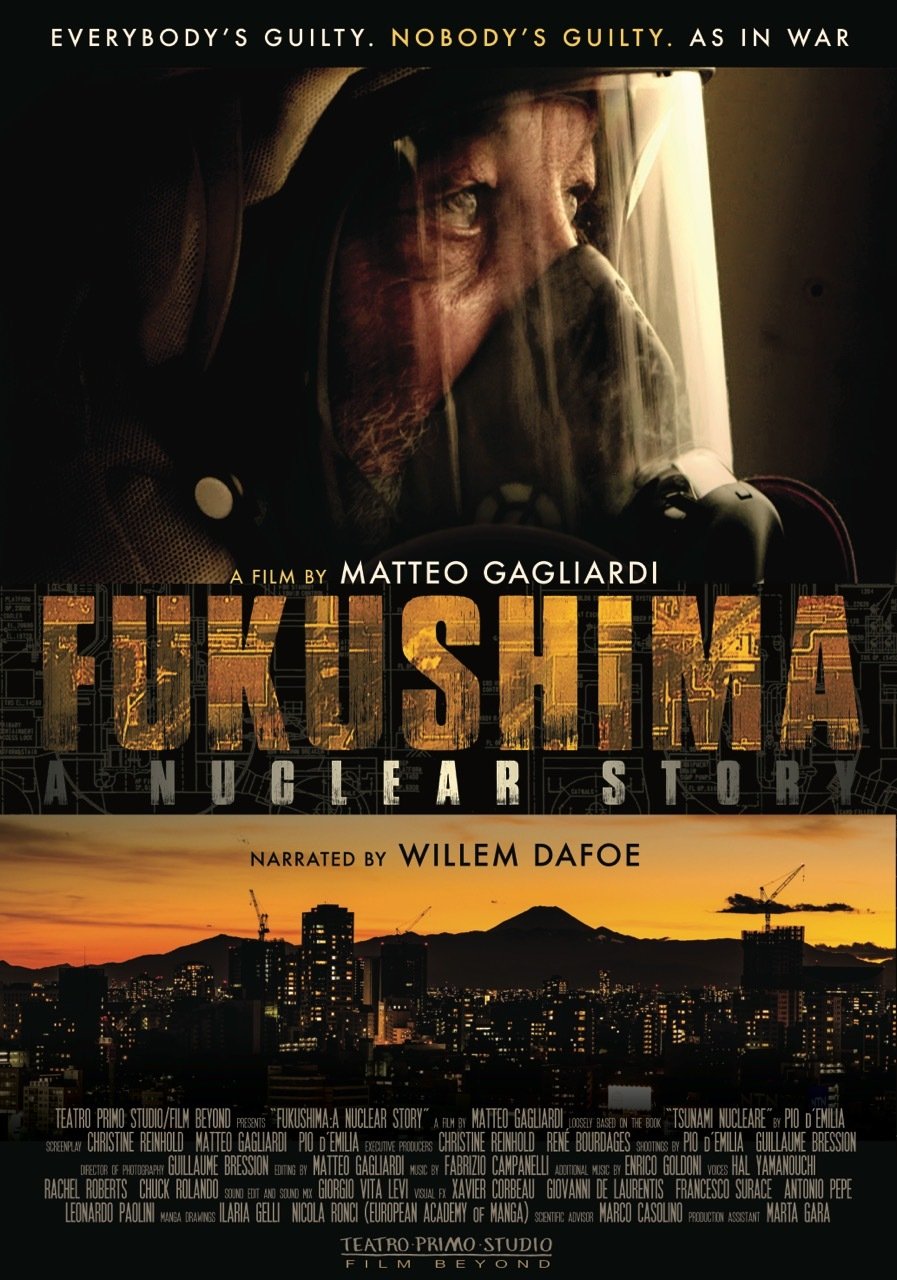
A Disaster the World Will Never Forget
On March 11, 2011, the world watched as one of the worst nuclear disasters in history unfolded in Japan. A massive earthquake and tsunami triggered a chain reaction at the Fukushima Daiichi Nuclear Power Plant, pushing the country to the edge of catastrophe. Years later, the documentary Fukushima: A Nuclear Nightmare revisits that terrifying moment in history.
Directed by James Jones and Megumi Inman, the film reconstructs the disaster with archival footage, firsthand testimonies, and a clear focus on the workers who stayed behind when everyone else evacuated.
From the opening moments, the documentary pulls viewers into a tense and emotional retelling of events. Rather than presenting the disaster as distant history, the film makes it feel immediate and personal.
Recreating the Moment the Crisis Began
The film begins with the devastating earthquake that struck northeastern Japan in 2011. Within minutes, a towering tsunami slammed into the coast. When seawater flooded the nuclear plant, critical systems failed. Electricity vanished. Cooling systems stopped working.
Suddenly, the reactors began to overheat.
The documentary explains the science behind the crisis in simple terms. Through diagrams and visual breakdowns, the film shows how nuclear fuel rods began melting when cooling systems shut down. Hydrogen gas built up inside the reactors, which later caused the explosions seen in shocking news footage around the world.
Instead of overwhelming viewers with technical jargon, the film simplifies the situation so anyone can understand the scale of the danger.
This approach keeps the story focused on the human consequences rather than the engineering details.
The Untold Story of the Fukushima Workers
The most powerful element of the documentary lies in its portrayal of the workers who stayed behind. When most of the staff evacuated, a small group remained at the plant to prevent an even greater catastrophe.
These men later became known as the Fukushima 50.
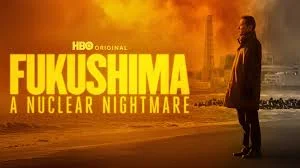
The documentary highlights the emotional reality behind their decision. Many workers believed they might not survive the radiation exposure. Yet they continued working because the alternative could have meant the contamination of large parts of Japan.
One of the most moving moments involves engineer Ikuo Izawa. In a heartbreaking recollection, he explains how he sent a final message to his family while preparing for the worst.
Scenes like this transform the documentary from a technical account into a deeply human story. The focus shifts from reactors and explosions to courage, fear, and sacrifice.
Archival Footage That Builds Real Tension
Another strength of the film is its use of archival material. News footage, emergency broadcasts, and recordings from inside the plant help recreate the chaos of those days.
The explosions at the reactors appear especially haunting. Clouds of smoke rise into the sky while workers scramble to understand what went wrong. The footage reminds viewers that the situation unfolded in real time, with limited information and enormous pressure.
A tense musical score amplifies these scenes. The soundtrack never feels overwhelming, but it quietly reinforces the anxiety of the moment.
As a result, even viewers who already know the outcome may still feel the suspense.
Where the Documentary Falls Slightly Short
Although the film delivers powerful moments, it occasionally repeats information. Certain explanations about reactor failures appear more than once, which slows the pacing slightly.
The documentary also focuses heavily on the immediate crisis rather than exploring the long-term consequences in depth. While it acknowledges the impact of radiation and evacuations, the narrative remains mostly centered on the first few days of the disaster.
Some viewers may wish the film had spent more time discussing how the event reshaped Japan’s energy policies and public trust in nuclear power.
However, the film’s narrow focus also gives it clarity. By concentrating on the workers inside the plant, the documentary keeps its emotional core strong.
A Story About Responsibility and Sacrifice
Beyond the explosions and technical failures, the documentary raises deeper questions about responsibility. Nuclear energy promises efficiency and power, yet disasters like Fukushima reveal the enormous risks involved.
The film does not push a strong political argument. Instead, it highlights the human cost of industrial accidents.
Workers risked their lives not because they wanted recognition, but because someone had to act.
This quiet portrayal of duty becomes the documentary’s most powerful message.
Final Verdict
Fukushima: A Nuclear Nightmare on flixtor succeeds because it tells a global story through individual voices. Rather than focusing solely on the scale of the disaster, the film highlights the courage of the people who faced it directly.
The documentary may not cover every aspect of the Fukushima crisis, but it captures the fear, urgency, and heroism of those critical days.
By the time the credits roll, one message becomes clear: disasters often reveal the worst consequences of human error, yet they also reveal extraordinary acts of bravery.